
Introduction
If you’ve ever visited the UK or watched British films and wondered about the phrase “cheers meaning British slang”, you’re not alone. In British English, cheers is far more than just a toast before drinking—it’s a versatile informal expression used in everyday conversation. Depending on context, it can mean “thank you,” “goodbye,” or simply a friendly acknowledgment. This flexibility often confuses non-native speakers, but it’s a core part of casual British communication. In this article, we’ll break down the different meanings, real-life usage, and cultural context of “cheers” in British slang so you can use it naturally and confidently.
What Does “Cheers” Mean in British Slang?
The basic meaning: a drinking toast
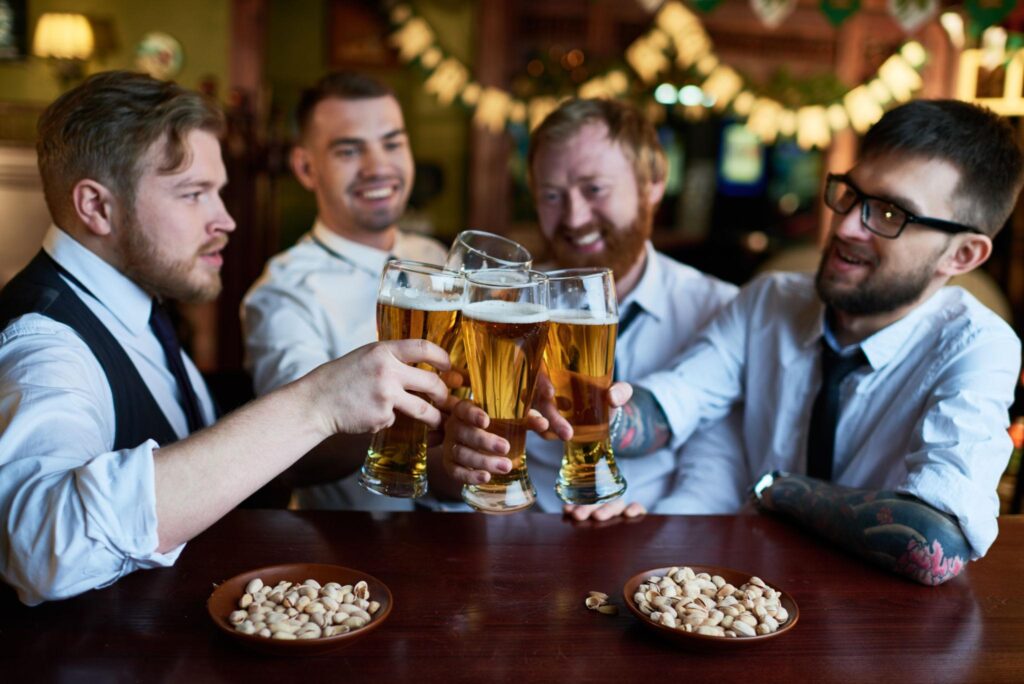
Traditionally, cheers is used when people raise their glasses before drinking alcohol. It’s a way of wishing good health or celebrating together. This usage exists across many cultures, similar to “proost,” “salud,” or “kanpai.” In the UK, this remains the original and most formal meaning of the word.
Even today, you’ll still hear it in pubs, weddings, and celebrations. People say “Cheers!” right before taking a sip, making it a shared social ritual that signals friendliness and unity.
The everyday British slang meaning
In modern British slang, cheers has expanded far beyond drinking culture. According to modern usage patterns, it is commonly used as:
- A casual way to say thank you
- A relaxed way to say goodbye
- A general expression of acknowledgment or appreciation
For example, if someone holds a door open, a Brit might simply say, “Cheers!” instead of “Thank you.” If leaving a shop, they might also say “Cheers” instead of “Bye.”
This makes it one of the most flexible words in British informal speech.
How “Cheers” Is Used in Daily British Conversation
Saying “thanks” in a casual way
One of the most common uses of cheers in British slang is as a replacement for “thank you.” It is short, friendly, and slightly informal. You’ll hear it in shops, on buses, at work, and among friends.
For instance:
- “Here’s your coffee.” → “Cheers.”
- “I’ll send you the file.” → “Cheers, mate.”
It carries a tone of appreciation without sounding overly formal. This is why it’s often preferred in casual British environments over “thank you.”
Saying “goodbye” in informal settings
Another everyday use of cheers is as a relaxed goodbye. Instead of saying “see you later” or “goodbye,” people might simply say “cheers” when ending a conversation.
Example:
- “I’ll see you tomorrow.” → “Cheers.”
However, this usage is usually casual and not always appropriate in formal situations. It’s more common among friends, colleagues, or service interactions rather than official or professional farewells.
General acknowledgment or friendliness
Sometimes cheers doesn’t strictly mean thanks or goodbye—it simply acts as a friendly verbal nod. It can express agreement, acknowledgment, or appreciation in a single word.
For example:
- Someone gives you information → “Cheers.”
- Someone helps you out → “Cheers, appreciate it.”
This versatility is part of what makes the phrase so deeply embedded in British slang culture.
Cultural Context Behind “Cheers” in British Slang
Why Brits use “cheers” so often
British communication tends to value understatement and efficiency. Instead of longer phrases like “thank you very much” or “have a good day,” many speakers prefer short, adaptable expressions. Cheers fits perfectly into this style because it is quick, friendly, and socially neutral.
It also helps maintain a relaxed tone in everyday interactions, especially in public spaces like shops or transport systems. Over time, it has become a linguistic shortcut that signals politeness without formality.
Regional and social differences in usage
While cheers is widely understood across the UK, its frequency can vary by region and social group. In England, especially urban areas, it is extremely common in daily speech. In some regions, people may prefer alternatives like “ta” or “thanks.”
Despite these differences, cheers remains widely recognized as one of the most iconic pieces of British slang, often associated with friendliness and informality.
Misunderstandings among non-native speakers
Non-British English speakers often find cheers confusing because it doesn’t have a single fixed meaning. In many languages, one word corresponds to one function—but in British slang, cheers can mean multiple things depending on tone and situation.
For example:
- Friendly tone → “thanks”
- Departure → “bye”
- Celebration → “toast”
Understanding context is essential to using it correctly.
Related Expressions and Alternatives to “Cheers”
Similar British slang words
British English is full of informal expressions that work similarly to cheers. Some of the most common include:
- Ta – very casual way of saying thanks
- Thanks / Thanks a lot – slightly more formal appreciation
- Alright / Alright then – informal greeting or farewell
- Nice one – informal approval or thanks
These expressions often overlap depending on region and personality, but cheers remains the most universal.
How tone changes meaning
The meaning of cheers can shift based on tone and situation. A quick, upbeat “Cheers!” usually means thanks. A softer “cheers…” might indicate goodbye. Meanwhile, a raised glass and energetic “Cheers!” is clearly a toast.
This tonal flexibility is why context is more important than the word itself in British slang communication.
FAQ: Cheers Meaning British Slang
Q: What does “cheers” mean in British slang?
A: In British slang, “cheers” is a versatile informal word meaning thank you, goodbye, or a casual acknowledgment. It is widely used in everyday conversation, especially in informal situations. It can also retain its original meaning as a toast when drinking.
Q: Do British people really say “cheers” instead of thank you?
A: Yes, very commonly. In casual settings like shops, cafés, or public transport, people often say “cheers” instead of “thank you.” It’s considered friendly, natural, and informal in British English communication.
Q: Can “cheers” mean goodbye?
A: Yes. In British slang, “cheers” can also be used as a relaxed way to say goodbye, especially among friends or in informal interactions. It is less common in formal or professional farewells.
Q: Is “cheers” rude or informal?
A: It is informal but not rude. In fact, it is considered polite in casual British conversation. However, it may not be suitable in formal business communication unless the environment is relaxed.
Q: Why do Brits use “cheers” so much?
A: Brits use “cheers” because it is short, friendly, and versatile. It fits the cultural preference for informal but polite communication, allowing speakers to express thanks or acknowledgment quickly and naturally.
Conclusion
The phrase “cheers meaning British slang” reflects one of the most interesting aspects of UK English—its flexibility and context-driven communication. Far from being just a toast, cheers has evolved into a multi-purpose expression used daily across Britain to mean thanks, goodbye, or simple acknowledgment.
Understanding how and when to use it can help you sound more natural in British conversations and better interpret everyday interactions. Whether you’re traveling, studying English, or simply exploring language culture, mastering cheers is a small but valuable step into authentic British slang.